
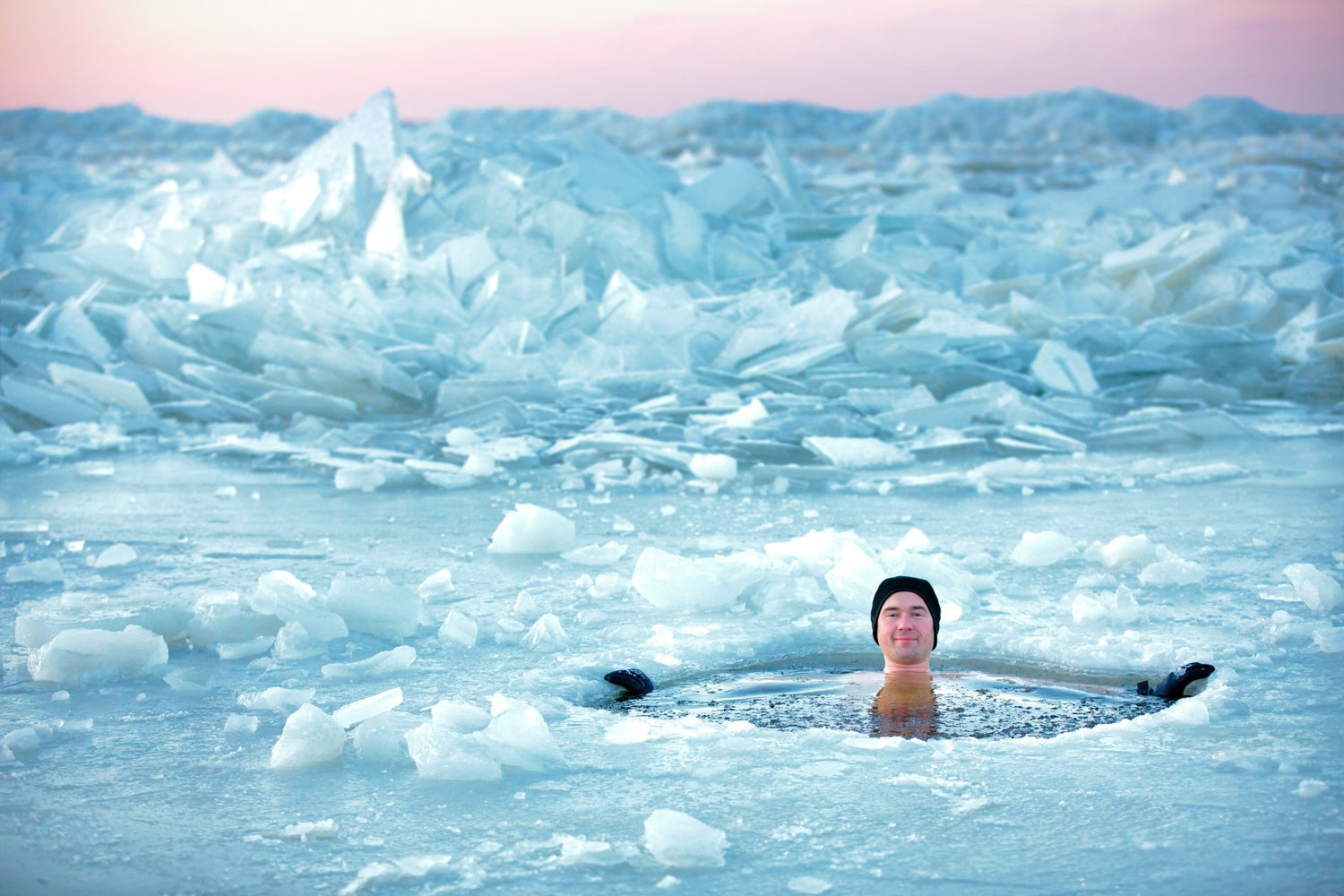
Cold Plunges Benefits Explained
Cold plunges, also known as cold-water immersion, have emerged as a fascinating area of study in health and wellness due to their multifaceted benefits. One of the most notable advantages of cold plunges is their potential to reduce inflammation throughout the body [1]. This reduction in inflammation can lead to improvements in various health conditions, such as arthritis and muscle soreness. Additionally, cold-water immersion has been shown to enhance mood and cognitive function, offering a natural and accessible method for mental well-being [2].
Moreover, the invigorating shock experienced during a cold plunge triggers a physiological response that can stimulate the release of endorphins, often referred to as the body's natural painkillers [4]. This analgesic effect can alleviate discomfort and contribute to an overall sense of relaxation and tranquility. Furthermore, cold-water immersion may improve circulation by promoting the constriction and subsequent dilation of blood vessels, facilitating nutrient delivery and waste removal in the body [5].
Regular exposure to cold water has also been associated with enhancements in metabolic function, including improved insulin sensitivity and glucose regulation [4]. These metabolic benefits can have profound implications for individuals at risk of metabolic disorders such as diabetes. Furthermore, cold-water immersion may promote fat loss by activating brown adipose tissue, which generates heat through the burning of calories [2].
In addition to the physiological benefits, cold plunges offer psychological advantages that can positively impact mental health. The exposure to cold water triggers the release of stress hormones, such as cortisol and adrenaline, which can help individuals better cope with stressors in their daily lives [4]. Furthermore, the sensation of cold water against the skin can induce a state of alertness and heightened focus, making it an effective method for enhancing cognitive performance [2].
Cold-water immersion has also been shown to modulate the immune response, potentially reducing the risk of infections and improving overall immune function [3]. By stimulating the production of white blood cells and enhancing circulation, cold plunges may bolster the body's ability to fend off pathogens and maintain optimal health. Additionally, the activation of the parasympathetic nervous system during cold-water immersion promotes relaxation and restorative sleep, contributing to overall well-being [1].
Furthermore, cold-water immersion has been explored as a potential adjunct therapy for various medical conditions, including chronic pain, depression, and anxiety [6]. Some studies suggest that the analgesic properties of cold plunges can provide relief for individuals suffering from conditions such as fibromyalgia and rheumatoid arthritis. Additionally, the mood-enhancing effects of cold-water immersion may offer an alternative or complementary approach to conventional treatments for depression and anxiety disorders [4].
Moreover, the accessibility and simplicity of cold plunges make them a practical and cost-effective wellness strategy for individuals of all ages and fitness levels [6]. Unlike many other wellness modalities that require specialized equipment or training, cold-water immersion can be easily incorporated into daily routines with minimal effort. Whether it's a quick dip in a cold plunge pool or a refreshing swim in a cold lake, the benefits of cold-water immersion are accessible to anyone willing to embrace the chill.
Additionally, cold-water immersion has been shown to enhance athletic performance and expedite recovery from strenuous exercise [6]. By reducing inflammation and muscle soreness, cold plunges can enable athletes to train harder and more frequently, leading to improvements in strength, endurance, and overall athletic performance. Furthermore, the vasoconstrictive properties of cold-water immersion can help minimize the buildup of lactic acid in muscles, allowing for faster recovery and reduced post-exercise fatigue [5].
It's important to note that while cold plunges offer numerous health benefits, they may not be suitable for everyone, particularly individuals with certain medical conditions or sensitivities [2]. Individuals with cardiovascular issues, respiratory conditions, or Raynaud's disease should exercise caution when engaging in cold-water immersion and consult with a healthcare professional before doing so. Additionally, prolonged exposure to cold water can increase the risk of hypothermia and other cold-related injuries, emphasizing the importance of moderation and safety precautions when incorporating cold plunges into a wellness regimen [4].
In conclusion, cold plunges offer a wealth of health benefits, ranging from reduced inflammation and improved metabolic function to enhanced mood and cognitive performance. By harnessing the power of cold water, individuals can optimize their physical and mental well-being, leading to a healthier, more vibrant life.
Sources
- Mayo Clinic Health System - Cold-water plunging health benefits
- Forbes - Cold Plunges: Health Benefits, Risks And More
- NCBI - Health effects of voluntary exposure to cold water
- NPR - Ready to cold plunge? We dive into the science to see if it's worth it
- [Vail Health - The Invigorating Science Behind Cold Plunges.
